Distressed Leather Texture Backgrounds: A Designer's Toolkit
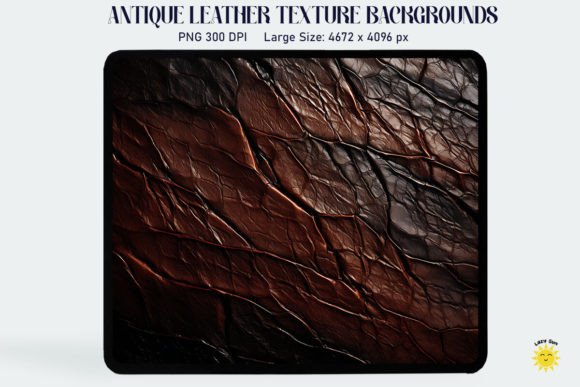
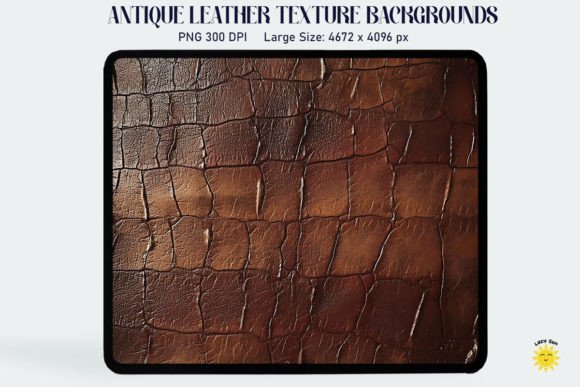
There's a certain quality to worn leather that feels both timeless and deeply authentic. It speaks of history, durability, and a life well-lived. This is the exact feeling you can channel in your designs with the right Distressed Leather Texture Backgrounds. These aren't just random patterns; they are carefully crafted digital assets that bring the rich, tactile feel of aged leather to your screen. Think of the subtle cracks, the varied grain, the soft sheen of a favorite old jacket or a well-loved book cover. That visual personality—warm, nostalgic, and robust—is what this collection offers.
What you're getting is a single, high-resolution PNG file. At approximately 4672 x 4096 pixels and 300 DPI, the detail is exceptional. You can zoom in on the intricate weathering, the fine lines of the grain, and the subtle color variations that make antique leather so compelling. The file size is generous, designed for professional use, yet it can be scaled down for smaller projects without becoming pixelated. This versatility makes it a practical cornerstone for a designer's asset library, especially when you need to evoke a sense of heritage, craftsmanship, or rugged elegance.
Where This Texture Truly Shines
The appeal of a classic leather backdrop lies in its adaptability. It serves as a foundational element that can set the tone for an entire project. In brand identity work, it's perfect for businesses that want to communicate tradition, quality, and hands-on artistry. Imagine a logo for a boutique leather goods shop, a craft brewery, or a heritage brand set against this textured surface. It instantly builds a narrative of authenticity. For packaging design, it can transform a simple box or label into something that feels premium and substantial, telling the customer the product inside is made with care.
For digital and web design, these Distressed Leather Textures are invaluable. They make excellent website hero backgrounds for portfolio sites, especially for photographers, woodworkers, or custom furniture makers. The texture adds depth and interest without overwhelming the content. On social media, it provides a compelling backdrop for quotes, product announcements, or event graphics, helping your posts stand out in a crowded feed. It's a versatile design asset that works equally well for creating mockups, digital invitations with a vintage feel, or even as a background for a podcast cover.
Practical Guidance for Effective Use
When integrating this texture, think about balance. Its strong visual character means it works best as a background, not the main focus. Pair it with cleaner, simpler typefaces. A crisp sans serif font can create a beautiful contrast, letting the texture provide warmth while the text remains perfectly legible. Alternatively, a classic serif font can reinforce the traditional, established feel. The key is to ensure your typography has enough visual weight and size to stand against the detailed background. Always test your text overlays for readability at various sizes.
Consider the color palette of your project. The texture provided likely has warm, earthy undertones. Use this to your advantage by selecting complementary colors for your text and other graphic elements—creams, deep browns, forest greens, or muted golds often work beautifully. For a more modern take, a stark white or charcoal gray can look incredibly sharp. Remember, the file is a PNG, so it doesn't have a transparent background. You'll be placing your other design elements on top of it. Experiment with layering—perhaps adding a subtle gradient or a semi-transparent color overlay to make your foreground elements pop even more.
Finally, always check the technical specifications for your project. The 300 DPI resolution is ideal for print projects like business cards, brochures, or invitations. For digital use, you can easily resize the image in your design software to fit your exact dimensions. Since it's a large file, working with it at its full size might require a capable computer, but the result is a crisp, professional-grade texture that elevates the entire composition. This isn't just a background; it's a tool for adding depth, story, and a tangible sense of quality to your creative work.