Sublimation Background, Wood Backgrounds: A Textured Foundation for Your Designs
When you're working on a sublimation project, the backdrop you choose does more than just fill space—it sets the entire mood. A generic digital canvas can feel flat and uninspired, but a realistic wood background instantly adds warmth, texture, and a sense of authenticity. This collection of Sublimation Background, Wood Backgrounds is designed to do exactly that. It’s not just a set of images; it’s a toolkit for creating professional-looking products with depth and character, whether you're personalizing a gift, building a brand, or crafting content for your audience.
Understanding the Visual Appeal and Versatility
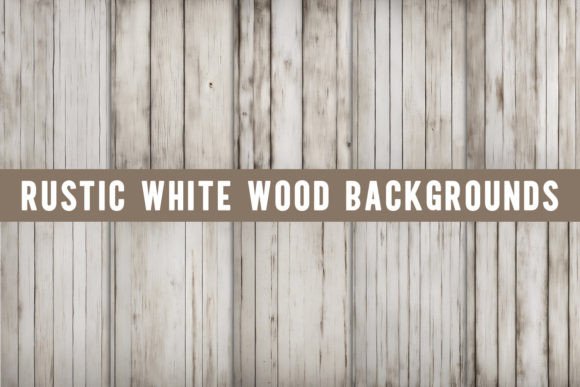
What makes these wood backgrounds so effective is their careful balance of realism and usability. They aren’t overly stylized or cartoonish. Instead, they capture the subtle grain patterns, natural knots, and warm tones found in real wood. This creates a versatile foundation that works across different aesthetics—from rustic farmhouse to modern minimalist. The textures feel authentic, which helps your overlaid graphics, text, or photographs look more integrated and less pasted-on.
The personality of these backgrounds is grounded and organic. They evoke feelings of craftsmanship, durability, and natural beauty. This makes them particularly strong for brands or projects that want to convey reliability, handcrafted quality, or a connection to nature. For a small business selling handmade goods, using a wood background in product photography or social media graphics can immediately communicate the artisanal spirit of the work.
Practical Applications Across Creative Projects
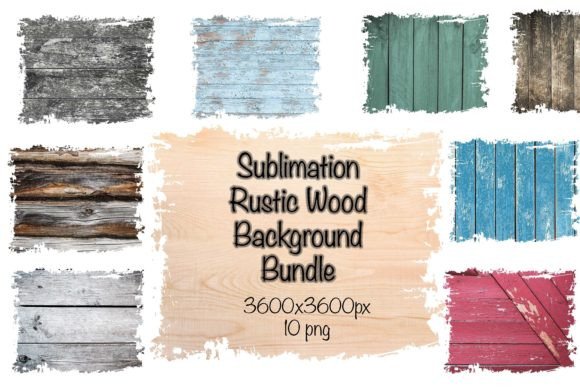
The true value of a design asset like this lies in its practical application. These sublimation backgrounds are built for real-world use. As an instant download containing ten high-resolution PNG files, they are ready to be dropped into your workflow. Here’s where they truly shine:
- E-commerce and Product Photography: Use them as lifestyle backdrops for product mockups. A wooden texture behind a ceramic mug, a phone case, or a piece of apparel creates a cohesive, marketable look that helps customers envision the product in their own space.
- Social Media and Content Creation: Create consistent, branded posts for Instagram, Pinterest, or blog headers. The texture adds visual interest without distracting from your message, making your feed look polished and intentional.
- Print-on-Demand and Sublimation Crafts: This is their core purpose. Layer your custom designs, quotes, or graphics onto these backgrounds before pressing onto substrates like wood plaques, coasters, or tiles. The result is a finished product with a built-in, realistic wood grain effect.
- Web and Editorial Design: Use them as subtle section backgrounds on a website or as full-bleed images in digital magazines and newsletters to break up text and add a tactile feel to the digital experience.
- Branding and Marketing Materials: Incorporate them into presentation slides, business card designs, or promotional flyers. For businesses in the home decor, DIY, or outdoor industries, they reinforce brand identity naturally.
Integrating Texture into Your Design Strategy
Choosing to use a textured background like this is a strategic design decision. It influences several key aspects of your project's success. First, it impacts visual hierarchy. A busy background can compete with your foreground elements. The key is to use these wood textures as a base, not the star. Ensure your text and graphics have sufficient contrast—consider adding a semi-transparent overlay or a solid shape behind your message to guarantee readability.
Second, it affects brand perception and consistency. If you’re using these backgrounds across multiple touchpoints—your website, social media, and product packaging—you’re building a recognizable visual language. The consistent use of a particular wood tone or grain style becomes part of your brand’s aesthetic, fostering recognition and professionalism.
Finally, it enhances audience engagement. In a digital world saturated with flat colors and gradients, a tactile, realistic texture can stop the scroll. It feels more human and approachable, which can make your audience more likely to pause, look closer, and engage with your content or product.
Getting the Most Out of Your Asset Pack
To ensure these backgrounds work for you, consider these practical tips. The included files are 3600 x 3600 pixels at 300 DPI, which is perfect for both high-quality print and large digital displays. However, always test the background at the actual size of your final project. Zoom in to check the texture detail at print resolution.
When pairing with other design elements, think about contrast and style. A rough, weathered wood grain pairs well with bold, clean sans-serif fonts or simple, modern graphics. A smoother, more refined wood might complement elegant script fonts or delicate line art. Don’t be afraid to experiment with font pairing—using a display font for headlines and a highly legible sans-serif for body text often works well against a textured backdrop.
Since these are premium design assets provided for commercial use, you have the freedom to use them in products you sell and client work. This makes them a valuable investment for entrepreneurs and designers. The zip pack contains everything you need, organized and ready to go, saving you hours of searching for or creating suitable textures from scratch.
In the end, a great background does its job quietly. It supports your creative vision without demanding all the attention. This collection of Sublimation Background, Wood Backgrounds provides that solid, versatile, and professional foundation, allowing your actual design work to take center stage with more impact and authenticity.